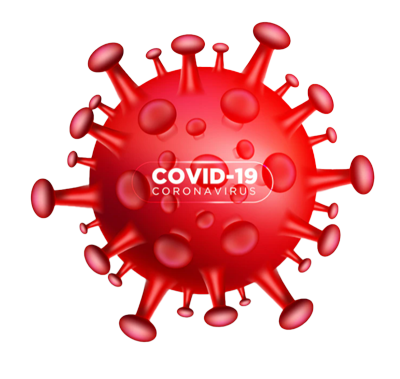
Cor na Virus


Live Corona Virus Update


Protect Our Beautiful Planet In Our Hands


Stay At Home For More Safety 🏠

🙂 COVID-19 STATEWISE STATUS MY INDIA 🙂

Below Click On Map

COVID-19 Safeguard

Stay at Home quarantine To stop Corona virus

Present time until now no specific medicine to prevent or treat coronavirus disease (COVID-19). People may need supportive care too and self-isolation at home has been recommended for those diagnosed with COVID‑19 and those who suspect they have been infected. Health agencies have issued detailed instructions for proper self-isolation and governments have mandated or recommended self-quarantine for entire populations.The strongest self-quarantine instructions have been issued to those in high-risk groups.Those who may have been exposed to someone with COVID‑19 and those who have recently travelled to a country or region with the widespread transmission have been advised to self-quarantine for 14 days from the time of last possible exposure.

Fill Below Form For Help
Real Time Coronavirus Updates Dashboard
Search By Country Name


Coronavirus World LIVE Updates

About COVID-19


Information about covid-19


Coronaviruses are a group of related RNA viruses that cause diseases in mammals and birds. In humans and birds, they cause respiratory tract infections that can range from mild to lethal. Mild illnesses in humans include some cases of the common cold (which is also caused by other viruses, predominantly rhinoviruses), while more lethal varieties can cause SARS, MERS and COVID-19, which is causing an ongoing pandemic. In cows and pigs they cause diarrhea, while in mice they cause hepatitis and encephalomyelitis.

A Coronavirus is one of a number of viruses that cause diseases in mammals and birds. In humans, the viruses cause respiratory infections, including the common cold, which are typically mild, though rarer forms such as

• SARS • MERS • COVID-19

can be lethal.Symptoms vary in other species: in chickens, they cause an upper respiratory disease, while in cows and pigs coronaviruses cause diarrhea. There are no vaccines or antiviral drugs to prevent or treat human coronavirus infections.

00:00 / 00:00

Detailed Overview:-

Coronaviruses (CoV) are a large family of viruses that cause illness ranging from the common cold to more severe diseases such as Middle East Respiratory Syndrome (MERS-CoV) and Severe Acute Respiratory Syndrome (SARS-CoV).A novel coronavirus (nCoV) is a new strain that has not been previously identified in humans.

Coronaviruses are zoonotic, meaning they are transmitted between animals and people.Detailed investigations found that SARS-CoV was transmitted from civet cats to humans and MERS-CoV from dromedary camels to humans. Several known coronaviruses are circulating in animals that have not yet infected humans.

Common signs of infection include respiratory symptoms, fever, cough, shortness of breath and breathing difficulties. In more severe cases, infection can cause pneumonia, severe acute respiratory syndrome, kidney failure and even death.

Standard recommendations to prevent infection spread include regular hand washing, covering mouth and nose when coughing and sneezing, thoroughly cooking meat and eggs. Avoid close contact with anyone showing symptoms of respiratory illness such as coughing and sneezing.

Precautions:-

Standard recommendations to prevent infection spread include regular hand washing, covering mouth and nose when coughing and sneezing, thoroughly cooking meat and eggs. Avoid close contact with anyone showing symptoms of respiratory illness such as coughing and sneezing.

Variants

Variants of Concern:-

illustration of virus in blue

Omicron - B.1.1.529

First identified: South Africa

Spread: Spreads more easily than other variants.WHO is working with state and local public health officials to monitor the spread of Omicron.

Symptoms:  Please refer to Symptoms of COVID-19.

Severe illness and death: Data suggest that Omicron is less severe in general. However, a surge in cases may lead to significant increases in hospitalization and death. More data are needed to fully understand the severity of illness and death associated with this variant.

Vaccine: Breakthrough infections in people who are vaccinated are expected, but being up to date on recommended vaccines is effective at preventing severe illness, hospitalizations, and death. The emergence of the Omicron variant further emphasizes the importance of vaccination and boosters.

Treatments: Some, but not all, monoclonal antibody treatments remain effective against Omicron. Public health agencies work with healthcare providers to ensure that effective treatments are used appropriately to treat patients.

Learn more about the Omicron variant
illustration of virus in green

Delta - B.1.617.2

First identified: India

Spread: May spread more easily than other variants.

Symptoms: Please refer to Symptoms of COVID-19.

Severe illness and death: May cause more severe cases than the other variants.

Vaccine: Breakthrough infections in people who are vaccinated are expected, but being up to date on recommended vaccines is effective at preventing severe illness, hospitalizations, and death. Early evidence suggests that people who are up to date with their vaccines who become infected with the Delta variant can spread the virus to others. All FDA-approved or authorized vaccines are effective against severe illness, hospitalization, and death.

Treatments: All FDA-authorized monoclonal antibody treatments are effective against infection with Delta.

Symptoms of COVID-19

Fever or chills
Shortness of breath or difficulty breathing
Cough
Nausea or vomiting
Congestion or runny nose
Sneezing
Headache
Sore-Throat
Diarrhea
Fatigue or Tired
Muscle or body aches
Loss of taste
Loss of smell
Chest pain
People with COVID-19 have had a wide range of symptoms reported – ranging from mild symptoms to severe illness.Symptoms may appear 2-14 days after exposure to the virus.Anyone can have mild to severe symptoms.People with these symptoms may have COVID-19:


• Fever or chills
• Cough
• Shortness of breath or difficulty breathing
• Fatigue
• Muscle or body aches
• Headache
• Loss of taste or smell
• Sore throat
• Congestion or runny nose
• Nausea or vomiting
• Diarrhea


This list does not include all possible symptoms.Older adults and people who have severe underlying medical conditions like heart or lung disease or diabetes seem to be at higher risk for developing more serious complications from COVID-19 illness.

PROTECT YOURSELF AND OTHERS |COVID-19|

Wash your hands often with soap and water, especially after you have been in a public place.If soap and water are not available, use a hand sanitizer that contains at least 60% alcohol.Avoid touching your eyes, nose, and mouth with unwashed hands.

In indoor public places, people ages 2 and older should wear a mask if they are:
• Not fully vaccinated.
• Fully vaccinated in an area with substantial or high transmission.
• Fully vaccinated with weakened immune systems.
In general, in outdoor settings, you do not need to wear a mask. In areas with high numbers of COVID-19 cases, consider wearing a mask in crowded outdoor settings and for activities with close contact with others who are not fully vaccinated.

Stay 6 Feet or 2M apart from people who don’t live in your household. Remember that some people without symptoms may be able to spread the virus.Keeping distance from others is especially important for people who are at higher risk of getting very sick.

Always cover your mouth and nose with a tissue when you cough or sneeze or use the inside of your elbow.

Do not spit.Throw used tissues in the trash.

Immediately wash your hands with soap and water or use hand sanitizer that contains at least 60% alcohol.

COVID-19 vaccines are effective at keeping you from getting COVID-19,especially severe illness and death.

Vaccines are safe, effective, and free.

Being in crowds like in restaurants, bars, fitness centers, or movie theaters puts you at higher risk for COVID-19.

Avoid indoor spaces that do not offer fresh air from the outdoors as much as possible.If indoors, bring in fresh air by opening windows and doors, if possible.

We should watch the news because we can aware more about what is current coronavirus upadate all around in the world & regular basis follow the news and news papers.

The virus can spread from an infected person’s mouth or nose in small liquid particles when they cough, sneeze, speak, sing or breathe. These particles range from larger respiratory droplets to smaller aerosols. It is important to practice respiratory etiquette, for example by coughing into a flexed elbow, and to stay home and self-isolate until you recover if you feel unwell.

Be alert for symptoms. Watch for fever, cough, shortness of breath, or other symptoms of COVID-19. Take your temperature if symptoms develop.If you have symptoms, especially if you’ve been around someone with COVID-19, get tested as soon as possible.

COVID-19 vaccines are effective at keeping you from getting COVID-19,especially severe illness and death.

Vaccines are safe, effective,and free.

Help For Doctor in Home


Please Like & Share On Social Media

Twitter Whatsapp Facebook Telegram Linkedin